

The Leading Interior Trends for 2026
A Call On Claret
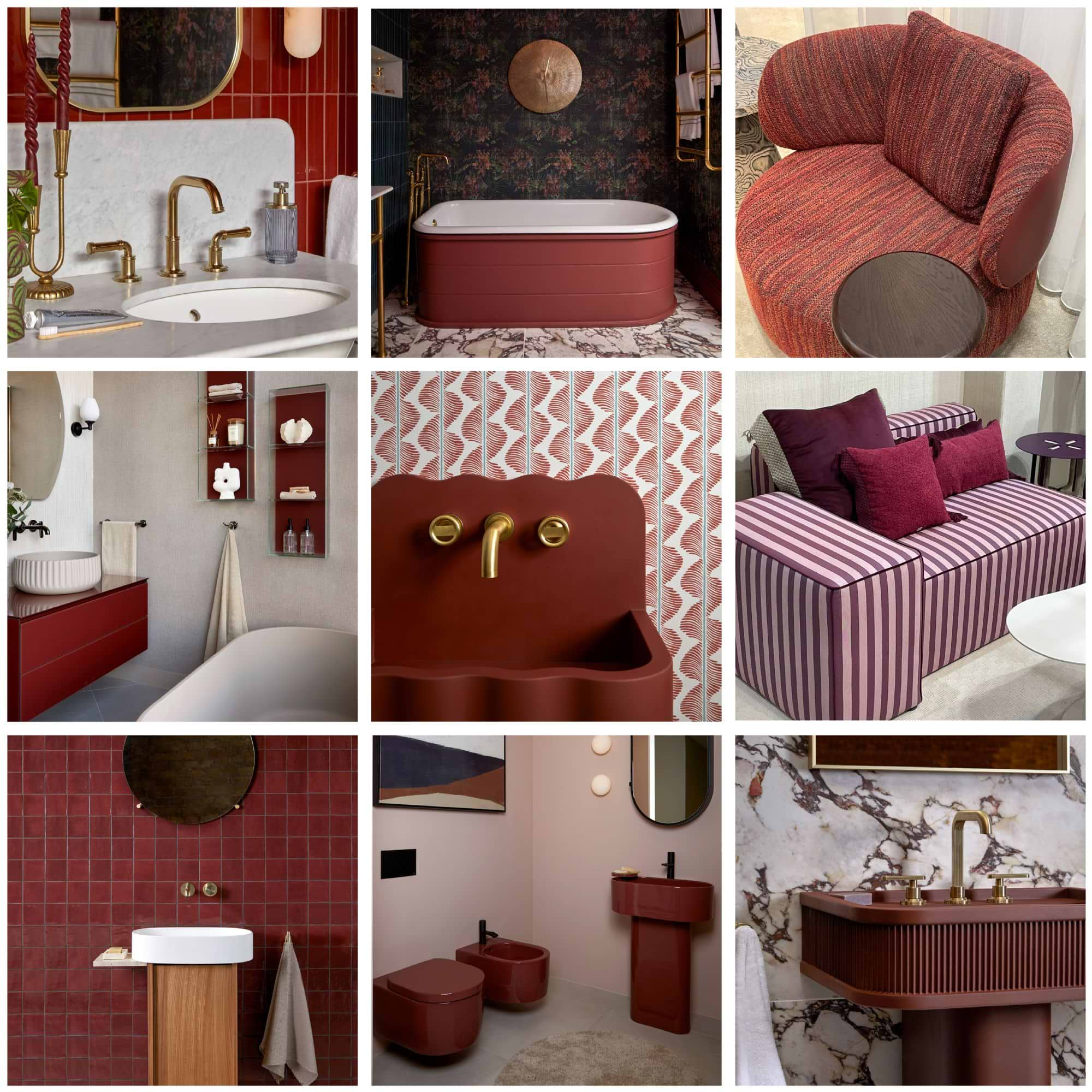
In 2025, Bordeaux was the colour of choice – similar to claret but deeper, with stronger brown undertones. This year, claret takes its place with a slightly brighter, fresher approach. Not quite red (also fashion’s standout hue of 2025), claret taps into a growing desire for interiors that feel rich, atmospheric, and energised. Its self-assured confidence functions as much as an accent as it does a full colour drench.
A strategic colour choice for designers seeking renewal, claret is being used en masse across painted walls and large-format furniture, extending even to marble tiling with claret veins – another contemporary way to reinterpret monochrome.
Something About Stripes
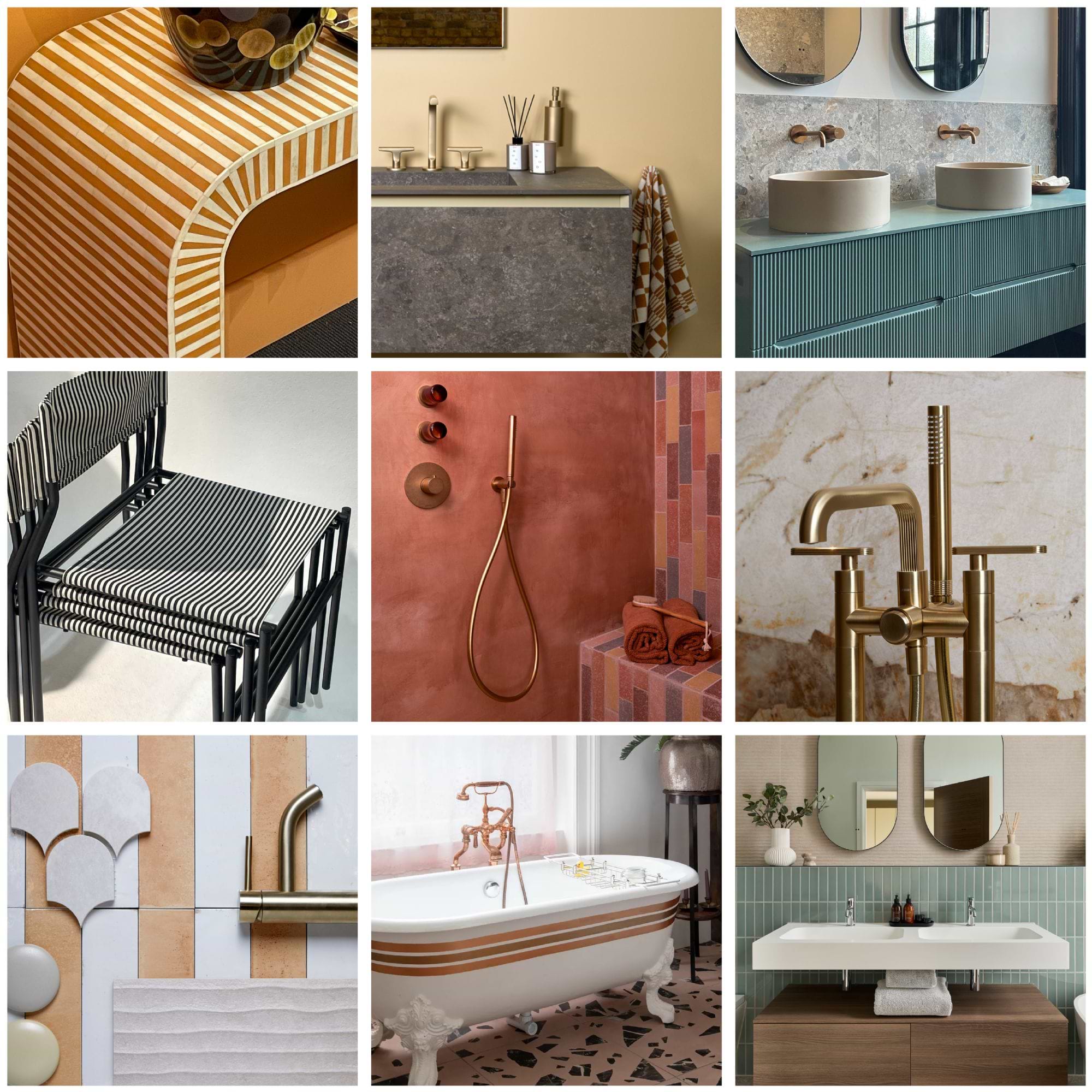
Stripes are asserting themselves as a standout interior trend, driven by a renewed appetite for bold, expressive design.
As maximalism gains momentum, stripes are being reimagined through vivid colour, dynamic scale, and unexpected placement. The rise of ‘stripe drenching’ signals a move towards immersive, all-over pattern, whilst the motif’s graphic nature sees it extending across furniture, ceramics, lighting, and soft furnishings. In the bathroom, look to introduce stripes through tiling, cabinet fronts – including fluted wood, a more subtle take on stripes – and bathroom furnishings, such as lights, towels, blinds, wallpaper, and cushions.
Confident and adaptable, stripes deliver instant rhythm, energy, and edge to both classical and contemporary interiors – a versatility few patterns can match.
The Gemstone Effect
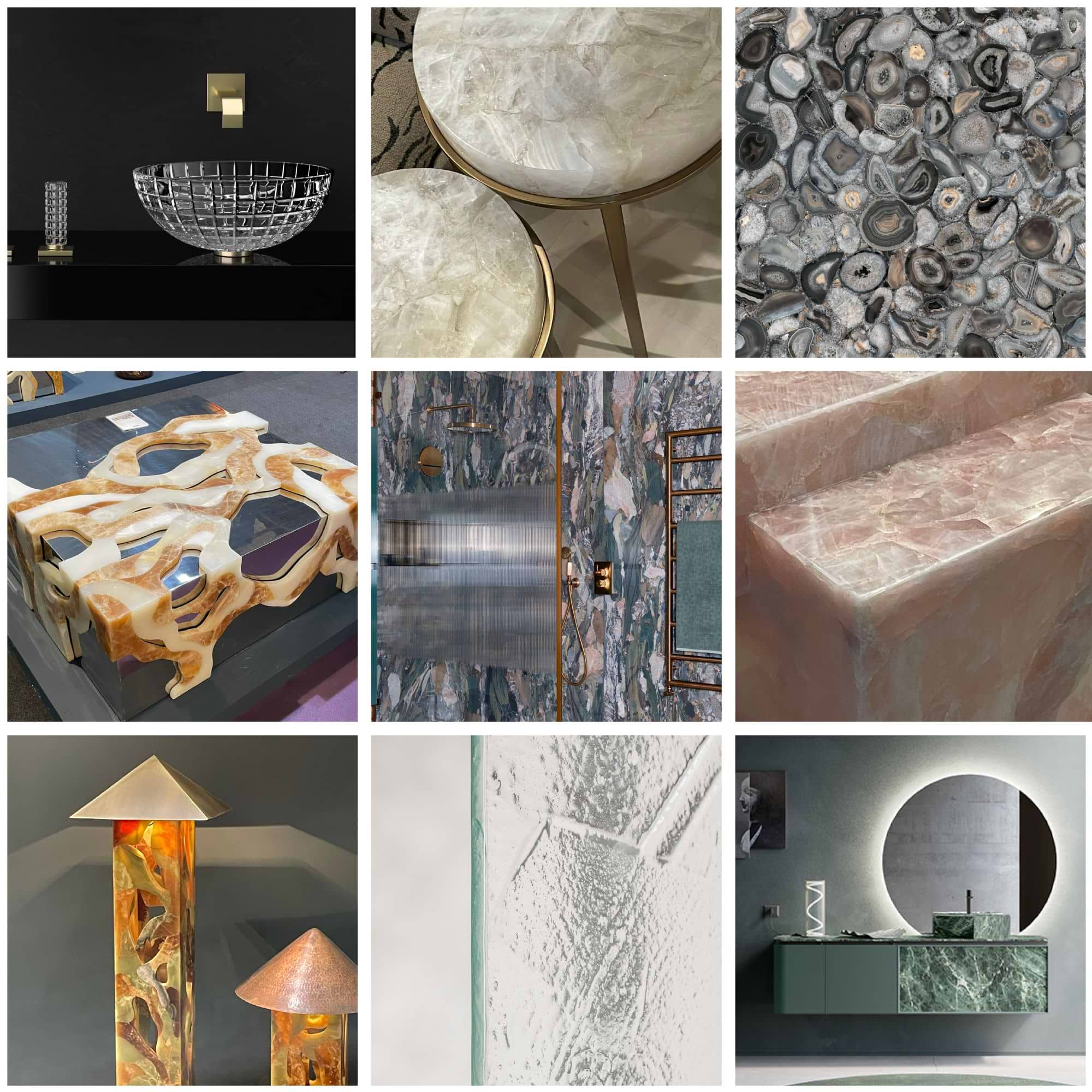
Though gemstones may not be an obvious reference for modern-day interiors, this 2026 trend cleverly interprets their naturally decorative colourings and iridescent surfaces in a way that feels distinctly refined.
Designers are working gemstone references into furniture tops, lighting, decorative objects, and tiles, often through glass, glaze, and polished finishes that capture depth and luminosity. Tactile and hardwearing, even just a glimpse of gemstone introduces a characterising point of interest, offering a sense of quiet opulence over overt decoration.
Origins Of Olive
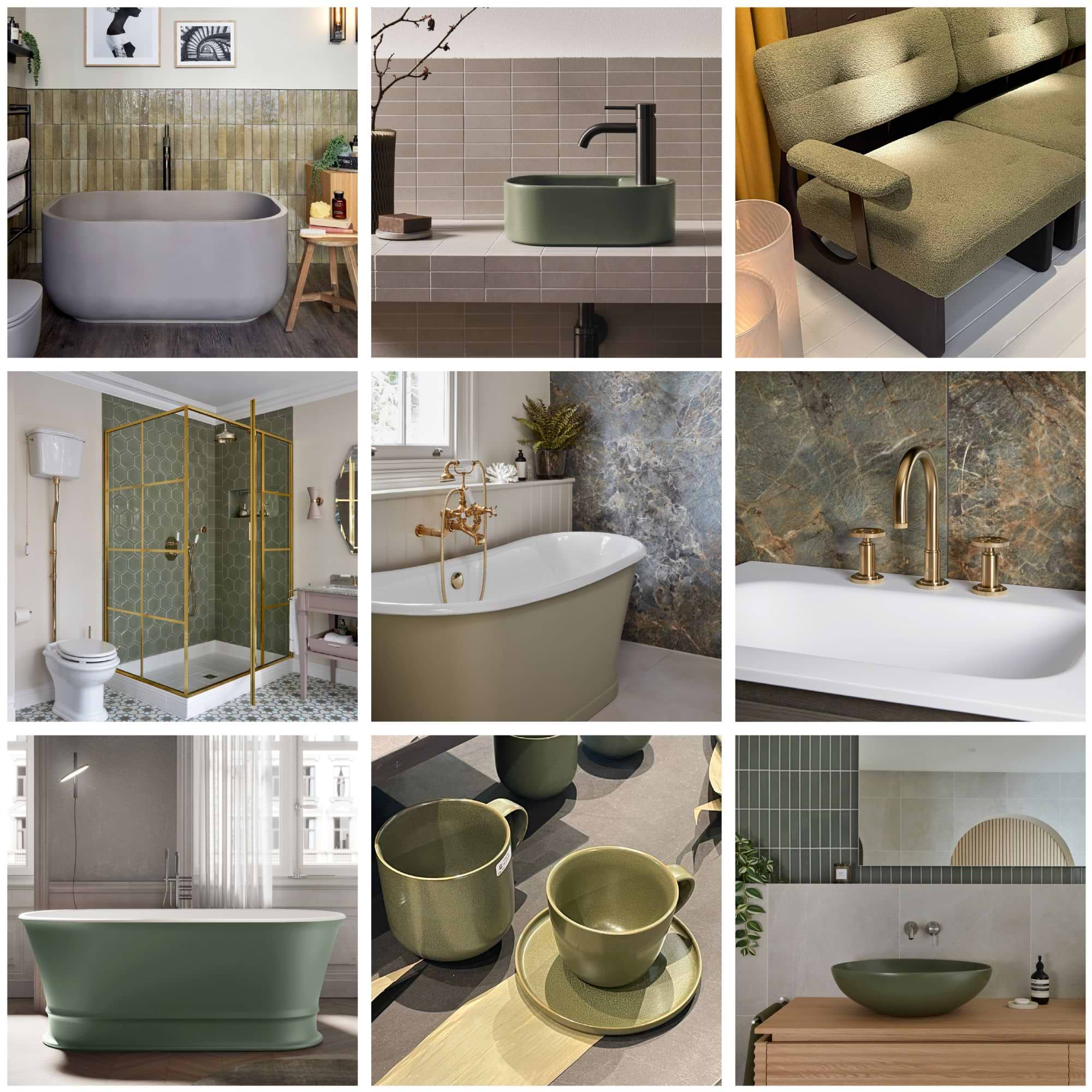
Olive has been present in interiors since ancient times, particularly across the Mediterranean, first derived from natural earth pigments and valued for its connection to nature, fertility, and peace. It became sought-after once again during the medieval periods – think tapestries and panelling – and re-emerged in the Georgian and Victorian era, when advances in pigment production enabled richer, more prominent tones. During this period, olive expanded in its possibilities, translating into wallpapers, upholstery, and painted joinery.
Now, as a leading trend for 2026, olive is celebrated for its ability to introduce warmth and sophistication into the home. It pairs effortlessly with wood and warm neutrals such as taupe, beige, and white, whilst also complementing richer shades like terracotta and rust. Timeless and adaptable, olive works beautifully across both contemporary and classical schemes.
Dark Wood
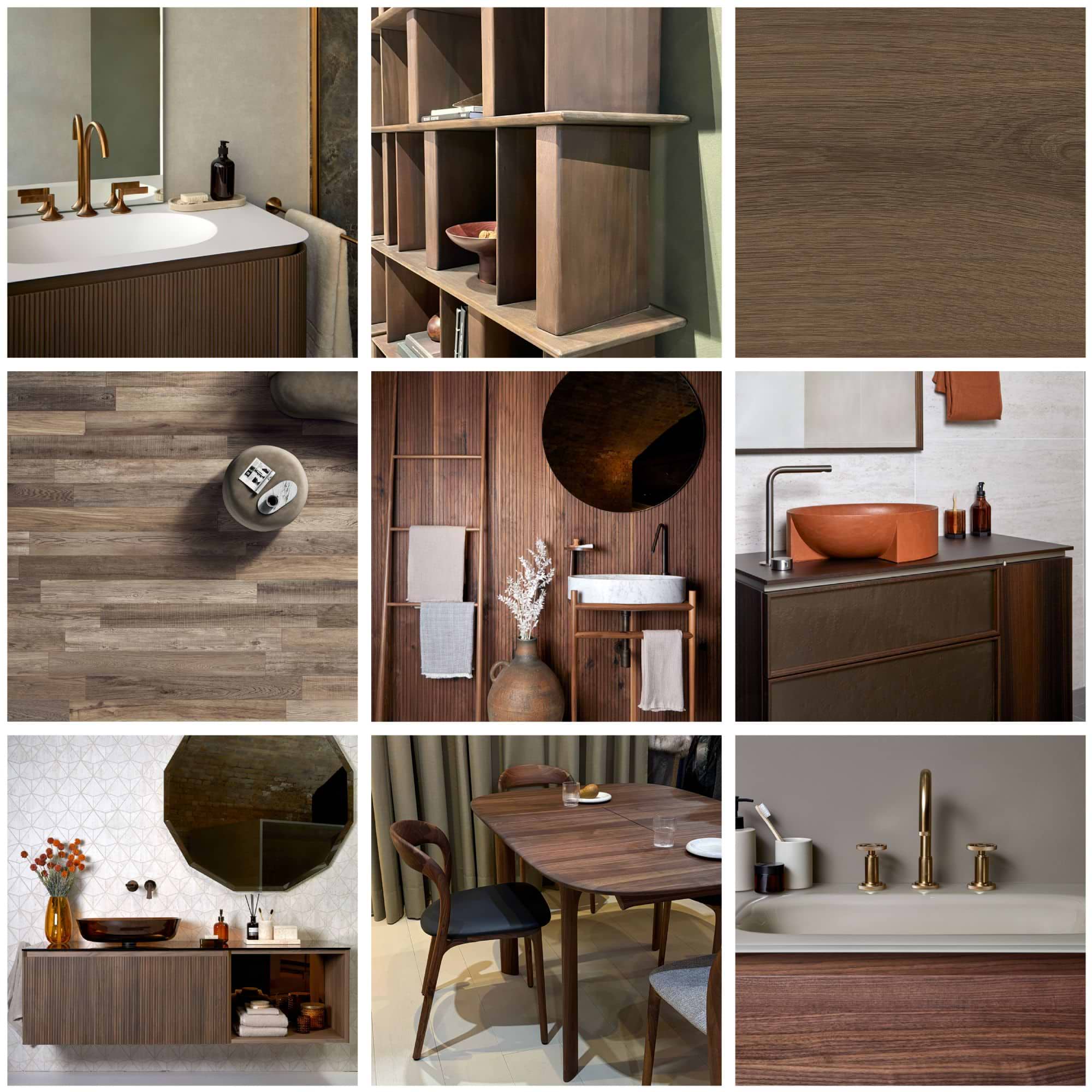
Dark wood has been long associated with heritage, craftmanship, and luxury. In Georgian and Victorian interiors, deep woods such as mahogany, walnut, and oak were used for panelling, furniture, and joinery – often reserved for formal areas of the home as a signal of status.
Whilst wood has remained a staple material in interiors, today’s trend marks a further shift away from the paler, white-washed woods that dominated the late 2010s, now favouring darker, more natural hues with grains and markings left intact.
Rich, warm, and luxurious woods (walnut, mahogany, and mango) work beautifully when balanced with lighter materials, seen across tables, chairs, storage and vanity units, mirrors, and even tiles. Classical, contemporary, and enduring, dark wood is a trend designed to last.
Cappuccino Travertine
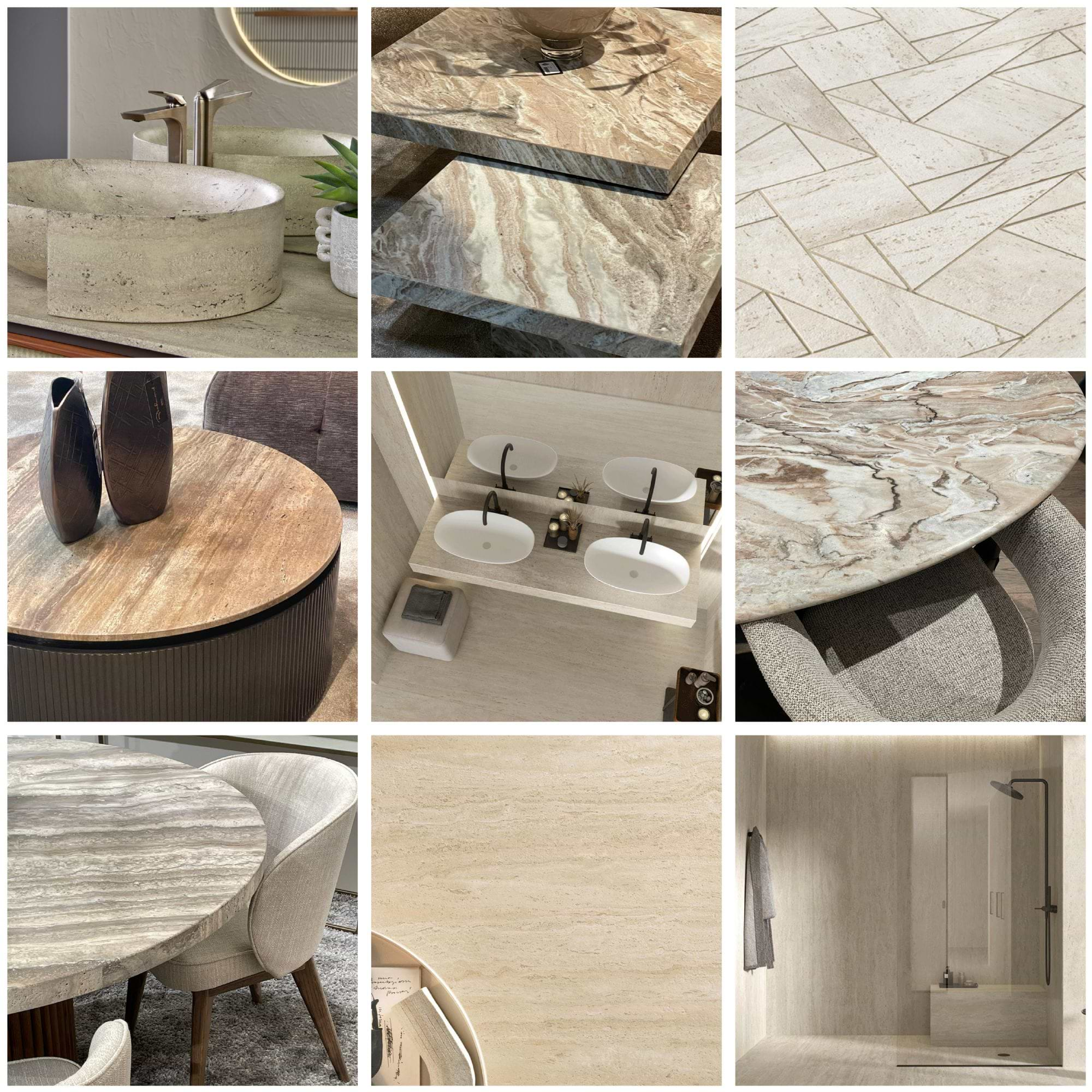
Travertine is a type of limestone formed by mineral-rich spring water, used in construction since the ancient times, most notably in structures such as the Colosseum and the Roman Forum. Warm and earthy with natural veining and subtle surface variation, travertine quickly became a decorative tool, building on its long-standing association with grandeur.
The 2026 Cappuccino Travertine trend is exactly as the name suggests: natural and porcelain travertine characterised by ripples of soft brown and foamy cream. Offering depth and warmth, this trend introduces a more inviting, tactile approach to stone, appearing across furniture tabletops and tiling, where its tonal movement adds richness without overwhelming a space.