
Home Saunas and Steam Rooms: Benefits, Installation & More
“With today's emphasis on wellness, home saunas and steam rooms have become an increasingly sought-after choice for those renovating their bathrooms,” explains Yousef Mansuri, C.P. Hart’s Director of Design. Offering both relaxation and restorative benefits, such as muscle recovery and detoxification, having a sauna at home enables adaptation of your daily routine to prioritise wellbeing.
Understanding the nuances of selecting and installing a home sauna or steam room is an important starting point. Below, our designers guide you through the available models and their respective benefits, along with essential installation and maintenance tips.
Types of Home Saunas
The term 'sauna' can refer to several types of heat therapy rooms. This guide will focus on the three primary types of home saunas: the traditional Finnish sauna, the infrared saunas, and steam rooms, also known as Hammams.
Traditional Finnish Saunas
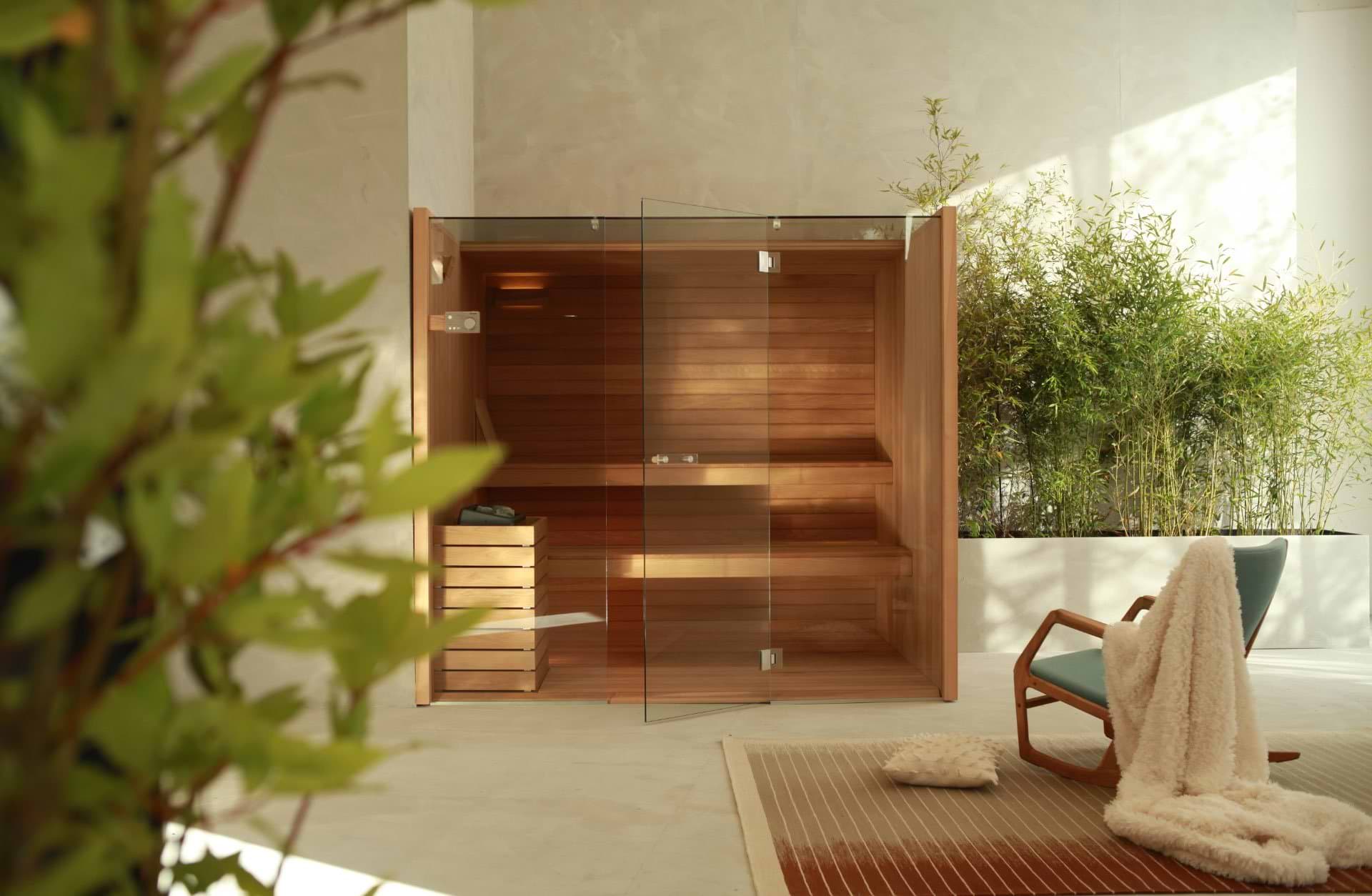
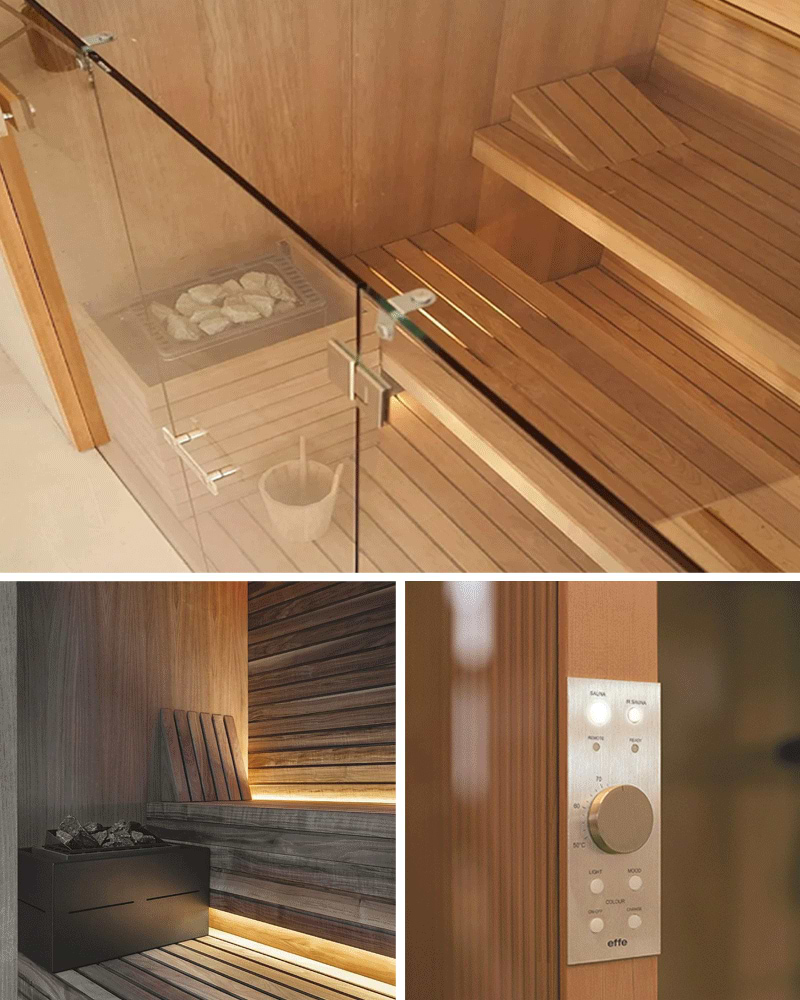
The traditional Finnish sauna, also known as a dry sauna, is what most people envision when they think of a sauna. Typically constructed from high-quality wood, such as cedar or hemlock, these saunas use an electric or wood-burning stove to heat the air to temperatures ranging between 70°C and 100°C, depending on personal preference. The dry heat is combined with low humidity (20% maximum).
Users can control the humidity by pouring water over heated stones, producing a burst of steam that temporarily increases the humidity to provide a more intense heat. Traditional saunas are highly effective for muscle relaxation and stress relief, making them particularly popular amongst fitness and wellness enthusiasts.
Infrared Saunas
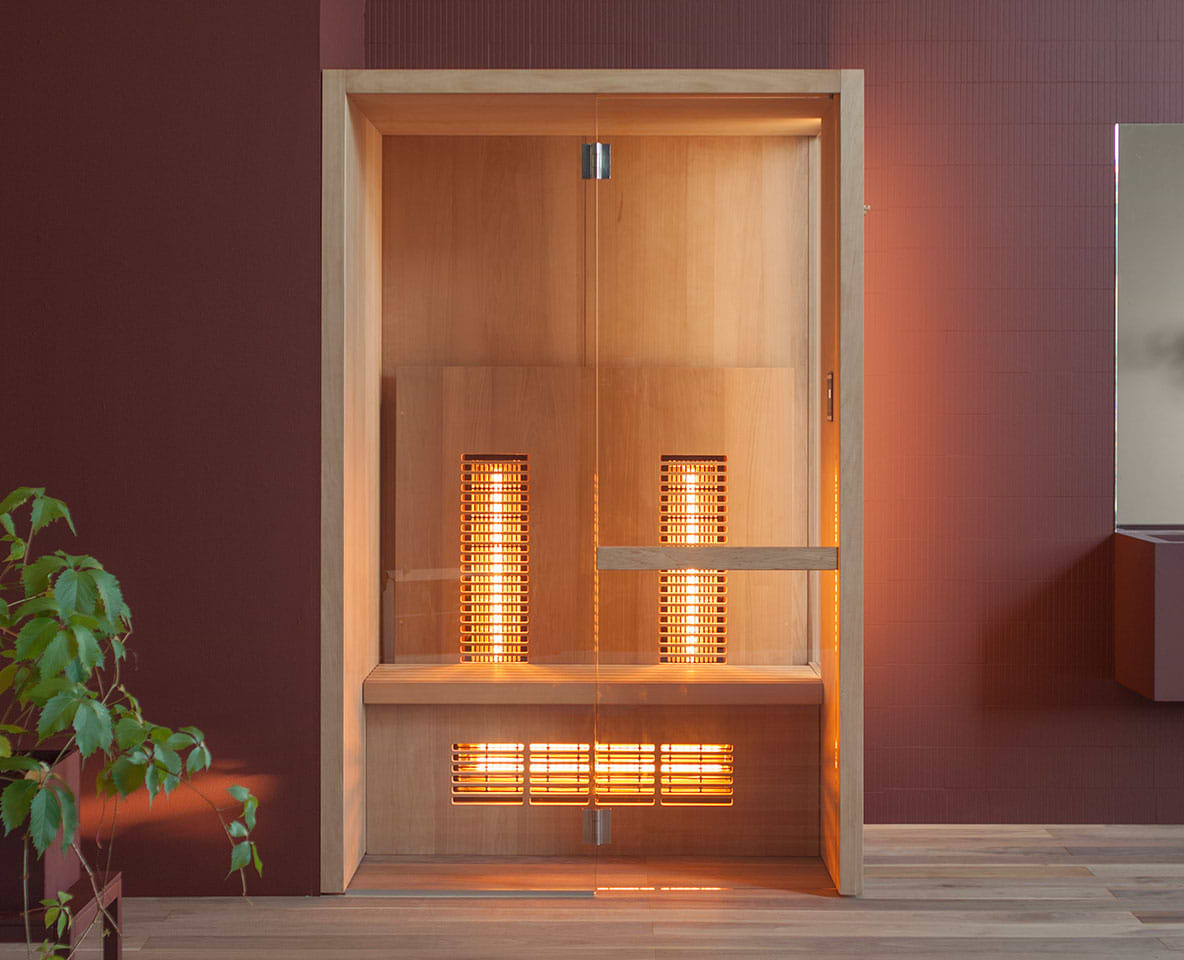
Infrared saunas operate differently from their traditional counterparts. Instead of heating the air through steam, infrared heaters emit a radiant heat, which penetrates the skin directly.
Infrared saunas typically operate at lower temperatures than traditional models, sitting around 50°C to 60°C – far more tolerable for longer sessions. They are also considered to be more energy-efficient than traditional saunas due to the speed in which they heat the unit. This, combined with lower steam-generated humidity, can be advantageous for home use.
Steam Rooms or Hammams
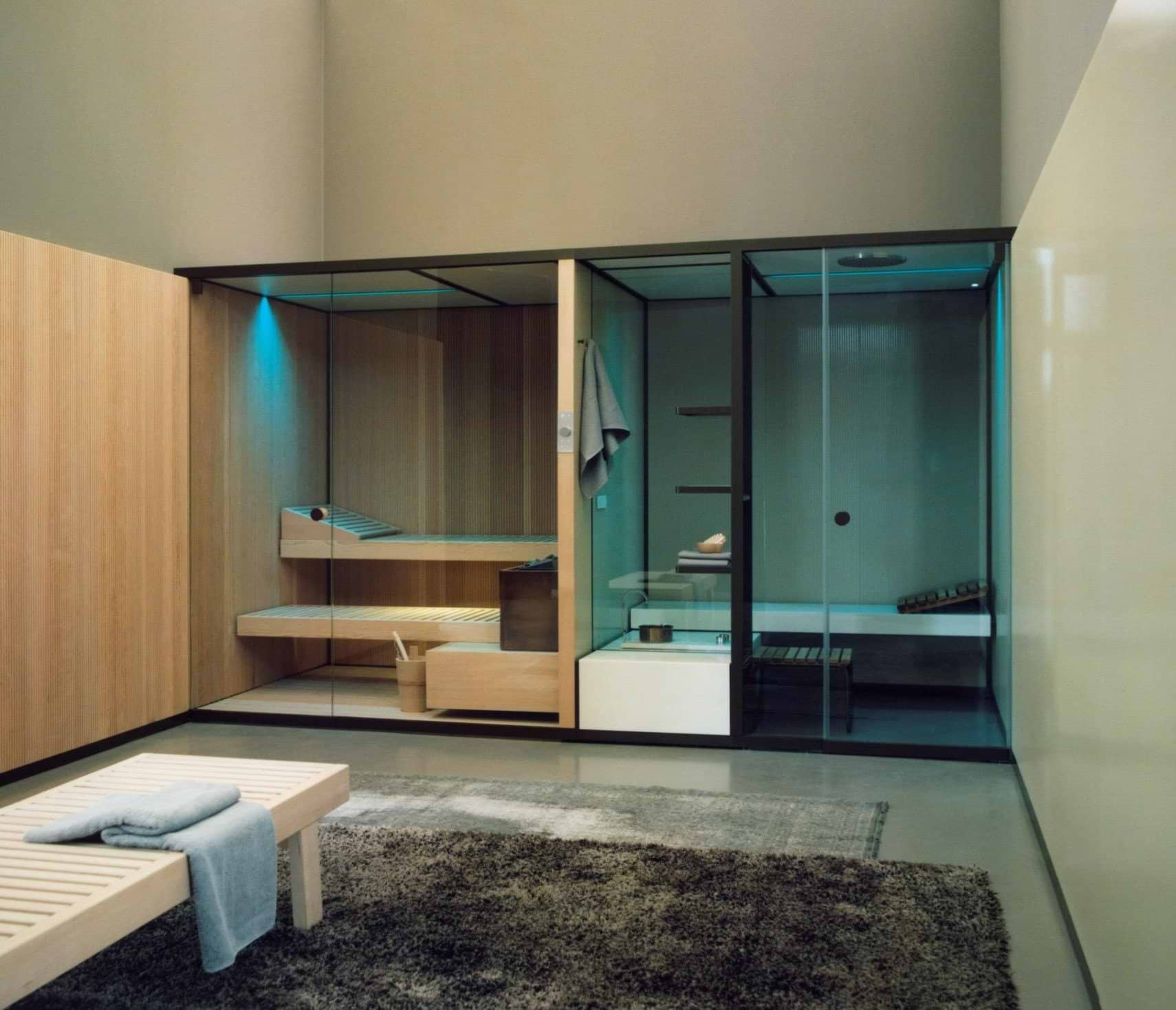
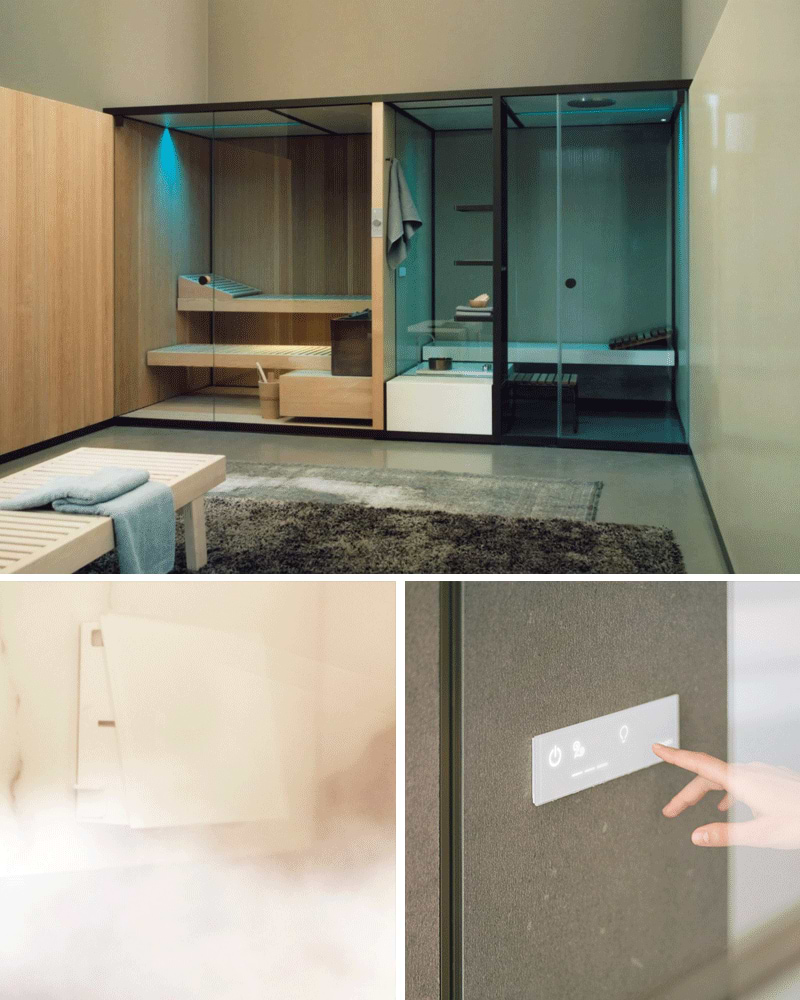
Steam rooms, also known as Hammams or Turkish baths, use a generator to fill a space with steam, whether inside a purpose-built steam room or in an existing shower enclosure. The steam creates a 100% humid environment, with temperatures typically ranging between 40°C and 45°C.
Steam showers via a generator are an excellent choice for those who want to create a home spa without having to install a separate unit.
Trending Saunas & Steam Units
What Are the Benefits of a Traditional Finnish Sauna?
Improved Cardiovascular Health
Regular sauna use helps promote better blood circulation, aid heart health, and improve cardiovascular endurance.
Detoxification
The dry heat from Finnish saunas induces heavy sweating, opening the body’s pores and helping the body expel toxins and pollutants that may have accumulated.
Relaxation And Stress Reduction
Heat triggers the release of endorphins, the body's natural "feel-good" chemicals, which help alleviate stress, anxiety, and depression. In addition, the hot, dry environment of the sauna relaxes both the mind and body, reducing tension and aiding relaxation.
Muscle Recovery and Pain Relief
Regular sauna use is shown to alleviate muscle soreness whilst reducing inflammation and improving joint flexibility. This is particularly beneficial for speeding recovery after physical activity.
Better Sleep Quality
The relaxation and endorphin release from a dry sauna session can help lead to deeper, more restful sleep. As your body cools down after sauna use, it triggers the onset of the sleep cycle, making it easier to fall asleep and enhancing overall sleep quality.
What Are the Benefits of an Infrared Sauna?
Whilst the benefits of an infrared sauna are mostly the same as those of a traditional sauna, the lower temperature offers a more gentle and accessible experience. This is particularly beneficial for those seeking deep heat penetration for muscle recovery and relaxation.
What Are the Benefits of a Steam Room or Hammam?
Detoxification
Much like a sauna, the high humidity and warmth from a steam room causes the body to sweat, helping to flush out toxins and impurities.
Improved Circulation
The heat from the steam causes blood vessels to dilate, improving circulation throughout the body. This enhanced blood flow can help lower blood pressure and support cardiovascular health.
Relaxation, Stress Relief, and Improved Sleep
The steam’s warmth relaxes muscles, helping to ease tension and alleviate stress. This relaxation and tension release can help promote a deeper, more restful sleep.
Respiratory Benefits
Steam is excellent for respiratory health, where the humid air helps to clear sinuses and relieve congestion.
Muscle and Joint Pain Relief
The heat helps loosen tight muscles, relieve stiffness, and alleviate joint pain.
How To Install a Home Sauna
Installing a sauna at home involves several considerations, from finding an appropriate location to meeting the electrical and ventilation requirements. Our Director of Client Design, Emma Scott, walks us through the fundamentals.
No Plumbing, Just Electrics
Unlike other home wellness features, saunas don’t require plumbing. However, they do need access to reliable electricity. Our team is able to ensure you have the appropriate electrical connections to ensure the installation meets safety standards.
Ample Space for Construction
Many saunas require a minimum clearance for safe and efficient construction. We are able to advise on suitability based on your floor plans.
A Flat, Level Surface
The floor beneath your sauna should be flat and level to support the structure. There’s no need for any additional plumbing or waste connections, which simplifies installation. However, a stable base is crucial to avoid any potential issues with the sauna's stability or longevity.
Layout Considerations: Lying Down vs. Sitting
Ideally, you'll want to have enough space to lie down in your sauna, but seated models are available where space is limited. Consider the dimensions of your space to find a layout that works best for you.
Two Levels for Temperature Control
If space allows, we recommend installing a sauna with two seating levels. This creates different temperature zones, with the upper level offering more heat, while the lower level stays cooler. This is also an excellent way to increase user capacity in smaller saunas.
Ensure Proper Airflow
Proper ventilation is essential for maintaining an even temperature and keeping the air fresh in your sauna. Specific airflow requirements will depend on your chosen model and configuration; our team can advise on the most suitable setup for your specific sauna to ensure optimal performance.
Trending Saunas
How To Install a Steam Room
“Installing a steam room requires many of the same considerations as a sauna,” explains Emma. Here are the most pressing factors.
Minimum Space Requirements
As with a sauna, steam rooms require a minimum clearance for construction.
Power, Water, and Drainage
A steam room needs a power and water supply with sufficient drainage. Our team will work with your floor plans to ensure that the unit is in a suitable location.
Ventilation
Most steam rooms require adequate airflow around and above the unit for proper ventilation. As with saunas, our team are able to advise based on the chosen model and available space.
Pre-installed Features
Most of our steam units come complete with lights, fittings, and finishes, making installation relatively straightforward once the above preparations are in place. It’s worth noting that the walls and floors should be fully complete before installing a steam room.
Trending Steam Units
How To Install a Steam Generator in a Shower Enclosure to Create a Steam Room
“Many clients prefer to convert their shower enclosure into a steam room to make better use of the available space,” says Emma. “However, not all existing showers are compatible with a steam generator. The following factors need to be in place for a successful conversion.”
Water and Electrical Supply
Steam generators require a water supply and electrical feed. Our designers will carefully incorporate these into your bathroom plan.
Sealed Space
The shower enclosure must be fully sealed to contain the steam. During the design phase of your bathroom, our team will advise you on compatible products.
Ceiling Height
We recommend lowering the ceiling to around 2.1m – 2.2m to avoid filling unnecessary space with steam, making the system more efficient.
Insulation and Waterproof Surfaces
Using suitable insulation boards within the shower area will maintain steam efficiency and prevent heat loss.
Ensure all surfaces, including the ceiling, are finished with a suitable waterproof material to withstand steam exposure. This is an exciting opportunity to get playful with our tile collections.
Drainage
Proper drainage is essential to ensure that excess water and condensation are properly managed, achieved with either a tray or a wet room floor.
Steam Generator Capacity
Make sure the steam generator you select has the correct capacity for the size of your shower area to provide optimal steam production.
Maintenance and Care
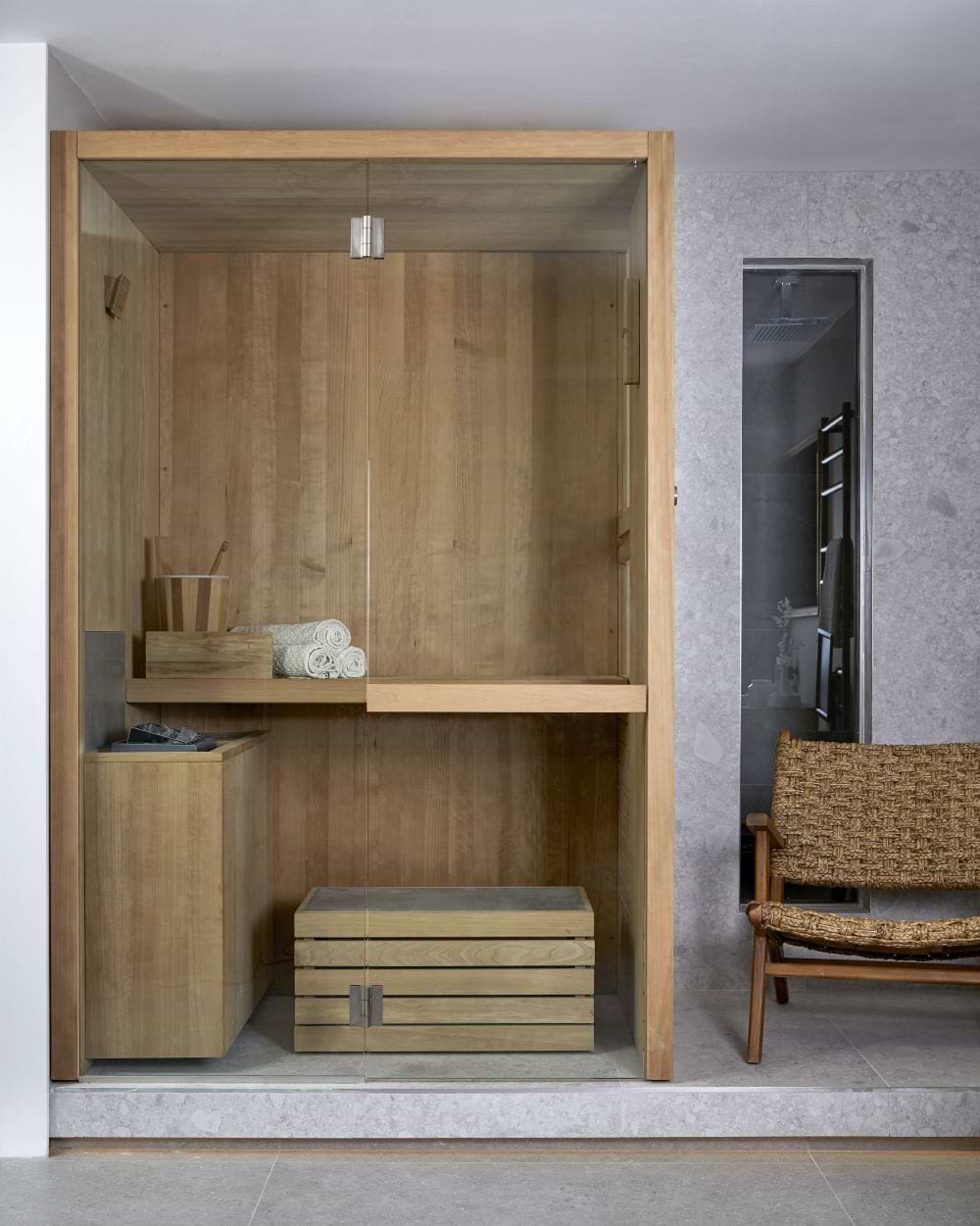
Proper maintenance is key to keeping your sauna or steam room in optimal condition. For traditional saunas, this means regularly cleaning the interior to prevent the build-up of sweat and dirt. It's also important to treat the wood periodically to preserve its appearance and protect it from moisture.
Infrared saunas are lower maintenance, typically only requiring surfaces to be wiped down after each use to keep them clean and hygienic.
Steam rooms, however, need more frequent care due to their constant exposure to moisture. Regularly wiping down walls and floors, along with ensuring proper drainage, helps prevent the growth of mould and mildew, keeping the space fresh and sanitary.
How Do I Buy a Home Sauna?
At C.P. Hart, we offer a curated selection of premium saunas and steam rooms from leading wellness manufacturer Effe. Please browse our online selection via the link below or send an enquiry to our expert team for further information, specifications, and showroom display details.